Marking Kink: The Psychology, Science, and Safety of Leaving Marks
In the expansive landscape of sexual wellness and consensual power exchange, physical touch often transcends the immediate moment. For some, the ultimate expression of intimacy is not just what is felt during a scene, but what remains afterward. Welcome to the world of the marking kink—the psychological and physical fascination with leaving, receiving, and displaying temporary somatic markers like bites, bruises, and impact lines.
While mainstream culture often misinterprets these marks as mere signs of pain, within the context of educated, consensual BDSM, they represent a complex interplay of trust, biology, and power dynamics. The marks left behind are not injuries; they are physical footprints of a shared, curated experience. Here is a professional, deep dive into the expanding psychology behind the marking kink, the physiological responses it triggers, and how to practice it with uncompromising safety and respect.
Types of Somatic Markers and Their Psychological Resonance
Not all marks represent the same desire. The allure of marking is dynamic, anchored in profound psychological drivers that transform a simple bruise or temporary redness into a powerful symbol of connection. To understand this kink, we must explore how different types of restraint and impact resonate emotionally.
1. Marks of Friction and Restraint

Allowing oneself to be bound requires absolute surrender, and the marks left behind from restraints are often the most cherished. These aren't marks from impact, but rather the temporary, flushed indentations and flushed skin left securely in place by plush handcuffs. For many submissive partners, the detailed, complex friction lines and flushed skin resulting from expertly tied shibari rope act as a beautiful, lingering testament to that negotiated vulnerability. These visual reminders on the wrists or forearms create a continuous, comforting psychological echo of the partner’s care and authority long after the physical scene has concluded.
2. Impact Marks: The Endorphin and Adrenaline Connection

Impact play is often a chase for a intense, shared neurochemical journey. When we look at the biology of "positive pain," we see that when the body experiences a sudden, intense sensation—like a sharp bite or the sting of a flogger—the brain interprets this not as a threat, but as an opportunity for release.
This triggers a massive, sudden release of endorphins and adrenaline. The neurochemical cocktail acts as a natural opiate, dulling the pain and replacing it with a euphoric, floating sensation commonly known in the BDSM community as "subspace." For the dominant partner, delivering the impact triggers a reciprocal rush of adrenaline and dopamine, focusing their mind entirely on their partner’s body and the shared power dynamic. The marks left behind, often appearing as a healthy, vibrant flush in large muscle groups, are the physical footprints of this profound neurochemical journey.
The Psychology of Visibility and Ownership
Primal Claiming and Possession At its deepest core, leaving a mark is a primal act. In a dominant/submissive dynamic, a mark serves as a physical manifestation of ownership and possession. When a dominant partner leaves a mark, they are establishing a visual boundary—a non-verbal statement of "You are mine." This act of "claiming" provides a lingering psychological comfort for the submissive, creating a deep feeling of being treasured and protected within the established power dynamic.
The Exhibitionism and Voyeurism Spectrum Marks bridge the gap between private intimacy and public existence. For those with exhibitionist tendencies, a carefully placed mark (peeking out from a collar or revealed discreetly) is a secret badge of honor. It offers the thrill of public display without explicit exposure, allowing the couple to share a private secret with the world. Conversely, for the dominant partner, knowing that others might catch a glimpse of the mark satisfies a possessive voyeuristic urge, further reinforcing their power over the public perception of the relationship.

Anatomy and Safety: Safe Play Protocols
The line between a safe, erotic mark and a dangerous injury is drawn by anatomical knowledge and rigorous communication. If you are exploring the marking kink, strict safety protocols are non-negotiable prerequisites. True freedom and pleasure can only exist when unbreakable boundaries are established.
Anatomical Awareness (Where NOT to Mark) Not all skin is created equal. Understanding which areas are safe for impact is the absolute difference between marking and injury.
-
Impact Zones: When leaving bruises via impact, always target areas with thick muscle and fat, such as the glutes and thighs. Never strike directly over the spine, the kidneys (lower back), or joints.
-
The Neck and Ribs: While hickeys and neck bites are incredibly popular, they must be approached with extreme caution. Avoid the anterior triangle of the neck (the front and sides) where the carotid arteries and jugular veins reside. Excessive pressure here can restrict blood flow or cause dangerous clots. Stick to the fleshy parts of the shoulder/neck intersection (the trapezius muscle).
Communication During Sensory Deprivation

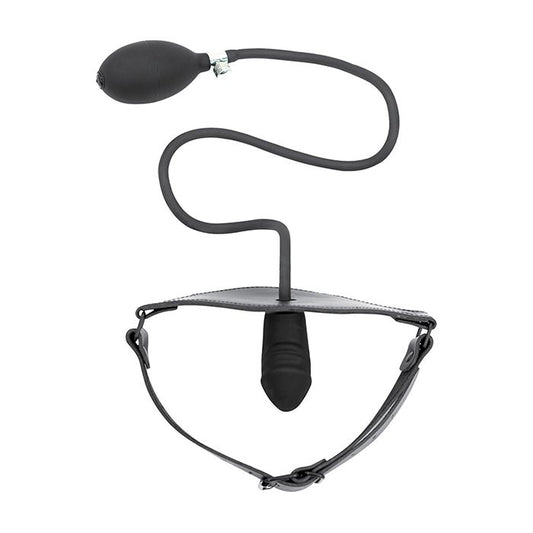
Heavy impact play often induces intense vocalizations. If your scene involves sensory tools like a gag to intentionally muffle screams of pleasure and heighten the psychological surrender, standard communication is compromised. In these scenarios, establishing unbreakable non-verbal safe words—such as dropping a soft ball from the hand or tapping the partner’s thigh firmly three times—is an absolute requirement before any marks are made. True safety requires that either partner can pause or stop the interaction immediately, without question.
The Critical Art of Aftercare and Nurturing Recovery

A scene does not end when the marking stops; it ends when the aftercare is complete. The post-scene transition is a vital phase of relationship wellness, allowing both partners to process the intense emotional and biological drop.
-
Physical Recovery: Marks, especially bruises and bites, need time and care to heal. Apply a cold compress (ice wrapped in a cloth) to fresh bruises within the first 24 hours to reduce severe swelling. Later, topical Arnica gel can be applied in a gentle massage ritual to facilitate safe healing and soothe the tissue.
-
Emotional Processing: The intense psychological drop after sensory play can be jarring. Wrap your partner in a warm blanket, offer hydration, and provide quiet, affirming reassurance as their neurochemistry returns to baseline. This bond of care and attention strengthens the trust that allows future exploration.
Ultimately, the attraction to marks can represent a connection beyond the physical. It is a visual cue of a test of boundaries, a shared boundary, and a profound, lingering intimacy.